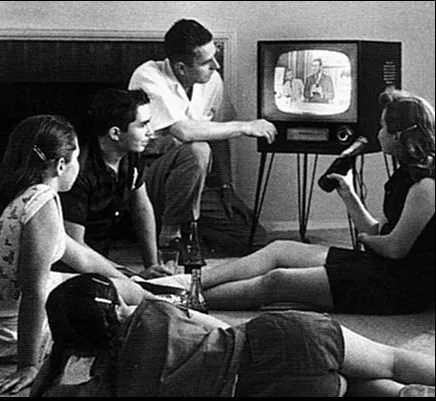
I Watched a Tern Colony Stream for Five Nights Straight and It Changed How I Think About Wildlife TV
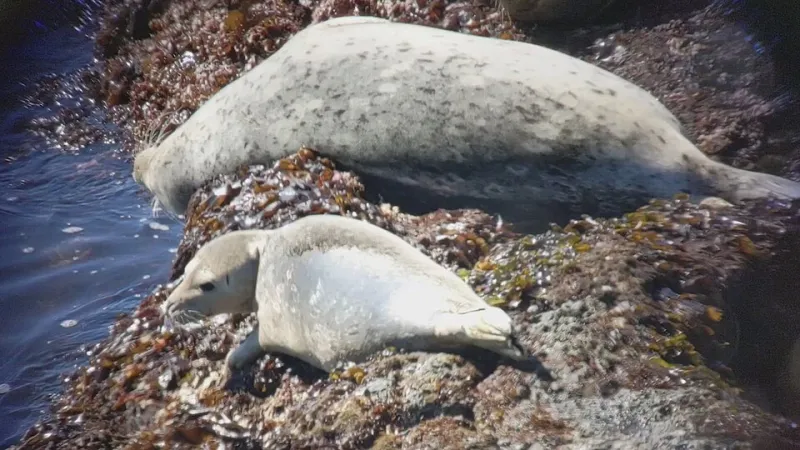
Photo: BLM Oregon & Washington, Public domain, via Wikimedia Commons
Full disclosure: I went in expecting to last one night. A 24/7 livestream of seabirds on a rocky island sounded like the world's slowest screensaver. Five nights later, I'd rearranged my evenings around a colony of birds that don't know I exist.
Nothing Happens. Then Everything Happens.
The first thing you learn watching a tern cam is that documentaries lie to you. Not in the facts — in the rhythm. A polished doc gives you a tern dive every ninety seconds because an editor cut it that way. The live feed gives you... wind. Preening. A bird staring at another bird for eleven minutes. Then, out of nowhere, a mink creeps along the rocks at 2 a.m. and the entire colony detonates into alarm calls, and your heart is pounding at a level no edited thriller has touched in years.
That's the trade: you surrender pacing in exchange for stakes that are actually real. Nobody scripted the mink. Nobody knows how tonight ends. The chat knows it too.
The Chat Is Half the Show
If you've never watched a wildlife cam with the community sidebar open, it's a genuinely strange cultural artifact. Regulars with names like "TernFan_Maine" log the same birds nightly, assign them nicknames, mourn the ones that disappear. There's a retired teacher in Ohio who's apparently been watching since the cam launched. Someone posts a timestamped clip of a chick's first flight and the whole chat celebrates like it's a game-winning field goal.
It's less like television and more like a porch. You're not consuming content; you're keeping company. For a lot of older viewers and rural Americans who don't live near a coast, this is the closest thing they have to a neighborhood with seabirds in it.
Why Real Time Beats Real Pretty
Here's my honest takeaway after five nights: the mess is the point. Documentary nature is always finished — resolved, scored, closed. Live nature is open-ended. The chick you watched hatch on Tuesday might fledge by the weekend, or might not, and you find out the same way the birds do: by showing up.
There's also something quietly radical about the absence of a narrator telling you how to feel. No David Attenborough hush, no swelling strings. Just you, a bird, and whatever the night brings. It's the closest streaming gets to actual birding — minus the bugs and the 4 a.m. alarm.
The Boring Parts Are Doing the Work
Wildlife cams are surging across platforms right now — eagle nests in Big Bear, osprey cams in the Chesapeake, and yes, tern colonies — and I don't think it's nostalgia. I think it's fatigue. We've spent a decade bingeing content engineered to never bore us, and a lot of us are exhausted by it. A live tern cam is the anti-algorithm: no recommendations, no autoplay of something shinier. Just the same feed, the same flock, the same wind.
Would I recommend five straight nights? Maybe start with two. But if you want to remember what it feels like to simply watch something — without being graded, guided, or gamed — the colony cam is waiting. The birds couldn't care less whether you tune in. Somehow, that's the best part.