Small Bird, Big Screen: How the Humble Tern Is Reshaping What Streaming Audiences Actually Want
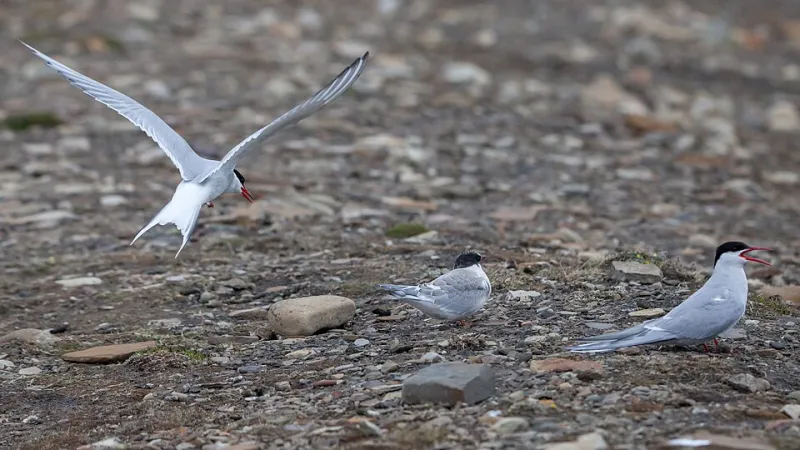
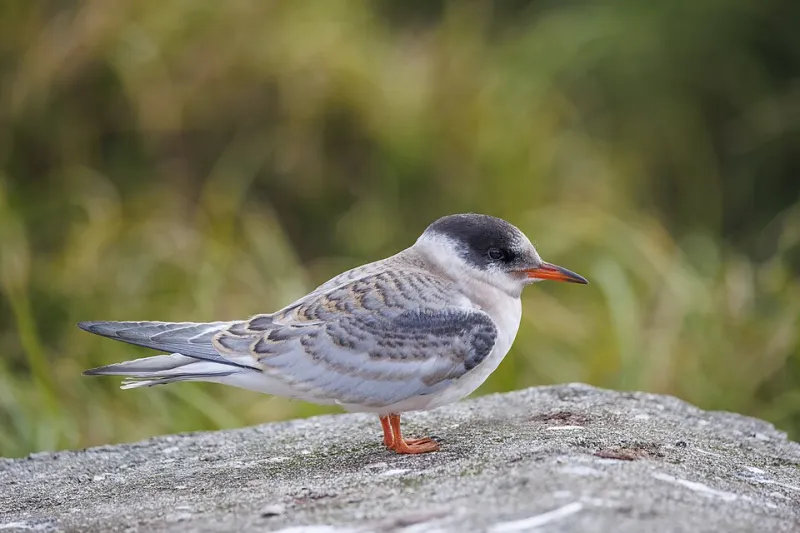
Photo: Andreas Weith, CC BY-SA 4.0, via Wikimedia Commons
Let's be honest — when most people think about nature documentaries, they picture lions tearing across the Serengeti or humpback whales breaching in slow motion. The big, dramatic stuff. The kind of footage that wins awards and gets narrated by someone with a voice like warm mahogany.
So nobody really had "small seabird with a pointy beak" on their bingo card for streaming's next big thing.
And yet, here we are.
The Rise of the Underdog Species
Over the past couple of years, something genuinely interesting has been happening in the world of nature streaming. Audiences — particularly younger ones — have been gravitating toward content built around lesser-known, so-called "unglamorous" animals. Not the apex predators. Not the crowd-pleasing megafauna. The weird ones. The overlooked ones. The ones that don't have their own plush toy in every gift shop.
Terns fit squarely into that category. These compact, aerodynamic seabirds are remarkable in ways that take a little patience to appreciate. The Arctic tern, for instance, completes one of the longest migrations on the planet — a round trip of roughly 44,000 miles every single year. That's more distance than most Americans will drive in a decade, accomplished by a bird that weighs about as much as a handful of grapes.
But terns don't roar. They don't have the velvet bulk of a bear or the terrifying elegance of a great white. They squabble, they dive-bomb intruders (including humans), and they nest in the kind of exposed coastal spots that make you wonder how the species survives at all. For a long time, that translated into minimal screen time.
Now, it's exactly what's making them compelling to stream.
Algorithms Didn't Kill Nature Content — They Redirected It
Here's the thing about the streaming era that often gets lost in all the hand-wringing about endless queues and decision fatigue: the algorithm isn't just a content graveyard. For niche subjects, it can actually be a discovery engine.
When a viewer watches one documentary about coastal ecosystems, platforms start surfacing related content — and that's where tern footage, bird colony specials, and migration deep-dives have found their footing. They're not competing head-to-head with prestige wildlife blockbusters. They're sliding into recommendation slots, popping up as "if you liked this" suggestions, and quietly accumulating watch hours from audiences who didn't even know they were interested.
Streaming platforms have noticed. Several have begun commissioning or licensing content specifically designed to perform in these secondary recommendation tiers — shorter-form pieces, episode-length explorations of single species, and documentary series structured around one animal's annual cycle rather than a sweeping survey of an entire biome.
Terns, with their dramatic migratory arcs and surprisingly fierce personalities, are a natural fit for that format.
Community Is the New Charisma
Maybe the most underrated factor in the tern's streaming ascent is what's happening off-screen.
Bird watching — or "birding," as the community prefers — has exploded in popularity in the US since the early 2020s. Estimates suggest there are now somewhere between 45 and 50 million active birders in the country, a number that's grown substantially among people under 40. That community is vocal, digitally native, and deeply engaged. They talk about what they're watching. They share clips. They argue about identification in comment sections with the same energy other people bring to sports debates.
When a streaming platform drops a well-produced piece on tern colonies, that community activates. It shares. It recommends. It creates a word-of-mouth current that no marketing budget can fully replicate.
Platforms building content around niche wildlife aren't just chasing passive viewers anymore — they're cultivating active communities. And active communities retain subscribers in ways that passive audiences simply don't.
What "Premium" Looks Like Now
For decades, premium nature content meant one thing: enormous production budgets, sweeping aerial cinematography, and a distribution deal with a major broadcaster. The BBC Natural History Unit essentially defined the genre's ceiling, and everything else was measured against it.
Streaming has scrambled that hierarchy in fascinating ways.
A beautifully shot, tightly edited 40-minute documentary about a single tern colony — following individual birds through a breeding season, capturing the chaos of a colony under predator pressure, documenting the moment fledglings make their first flight — can now perform comparably to content that cost ten times as much to produce. The intimacy of the format, the specificity of the subject, and the emotional investment of a targeted audience can outweigh raw production scale.
This doesn't mean high-budget wildlife filmmaking is going anywhere. It means the definition of "worth watching" has genuinely expanded. Viewers who would never have sought out a tern documentary in the broadcast era are finding them, watching them through, and coming back for more.
The Bigger Picture
There's something almost poetic about the fact that a bird defined by relentless, long-distance movement has become a symbol of where streaming is heading.
The tern doesn't stay put. It doesn't perform for easy audiences. It covers impossible distances on its own terms and shows up, season after season, in places that reward the people paying close enough attention.
That's not a bad model for content strategy, honestly.
Streaming platforms that are paying attention to what the tern effect is telling them — that audiences are hungry for specificity, that niche communities drive outsized engagement, that "charismatic" is a much broader category than anyone thought — are going to be better positioned than those still chasing the next lion documentary.
The viewers are already there. They've been circling the content they actually want for a while now, waiting for platforms to catch up.
Looks like some of them finally are.