Forget the Lion: Why Streaming Audiences Are Obsessing Over the World's Weirdest Little Birds
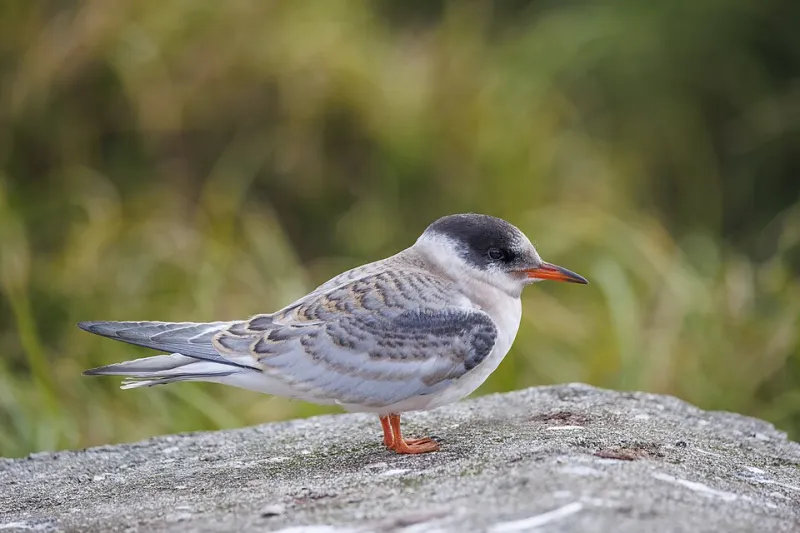
Photo: Charles J. Sharp, CC BY-SA 4.0, via Wikimedia Commons
For decades, the unspoken rule of nature documentary programming was simple: if you want ratings, you lead with the big stuff. Lions on the Serengeti. Great white sharks breaching off the South African coast. A polar bear doing literally anything. These were the guaranteed crowd-pleasers, the safe bets that kept executives sleeping soundly.
Then something weird happened.
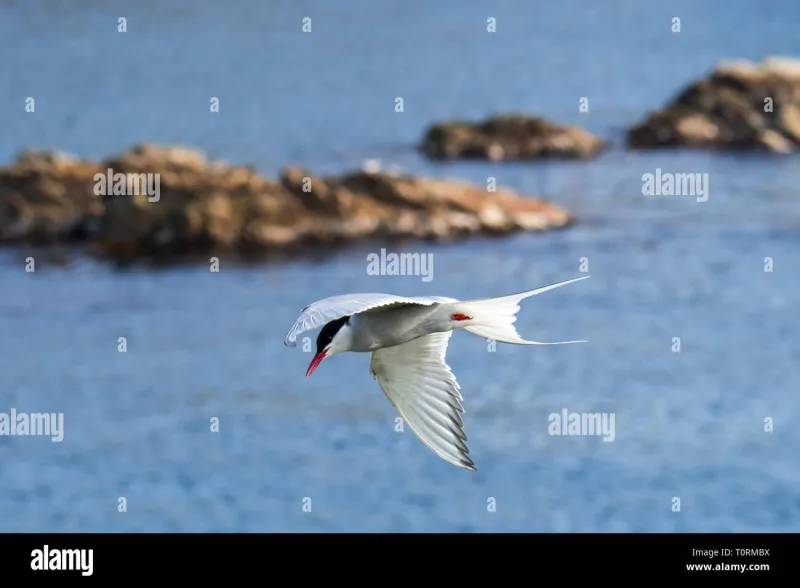
A 40-minute documentary about a colony of Arctic terns — birds that weigh roughly as much as a candy bar and look, at first glance, like a seagull's less interesting cousin — quietly became one of the most-shared nature streaming titles of the past two years. No celebrity narrator at launch. No blockbuster marketing budget. Just a bird, a camera crew, and a migration story that somehow broke through the noise.
Now everyone in the streaming world is trying to figure out how to bottle that lightning.
The Megafauna Ceiling
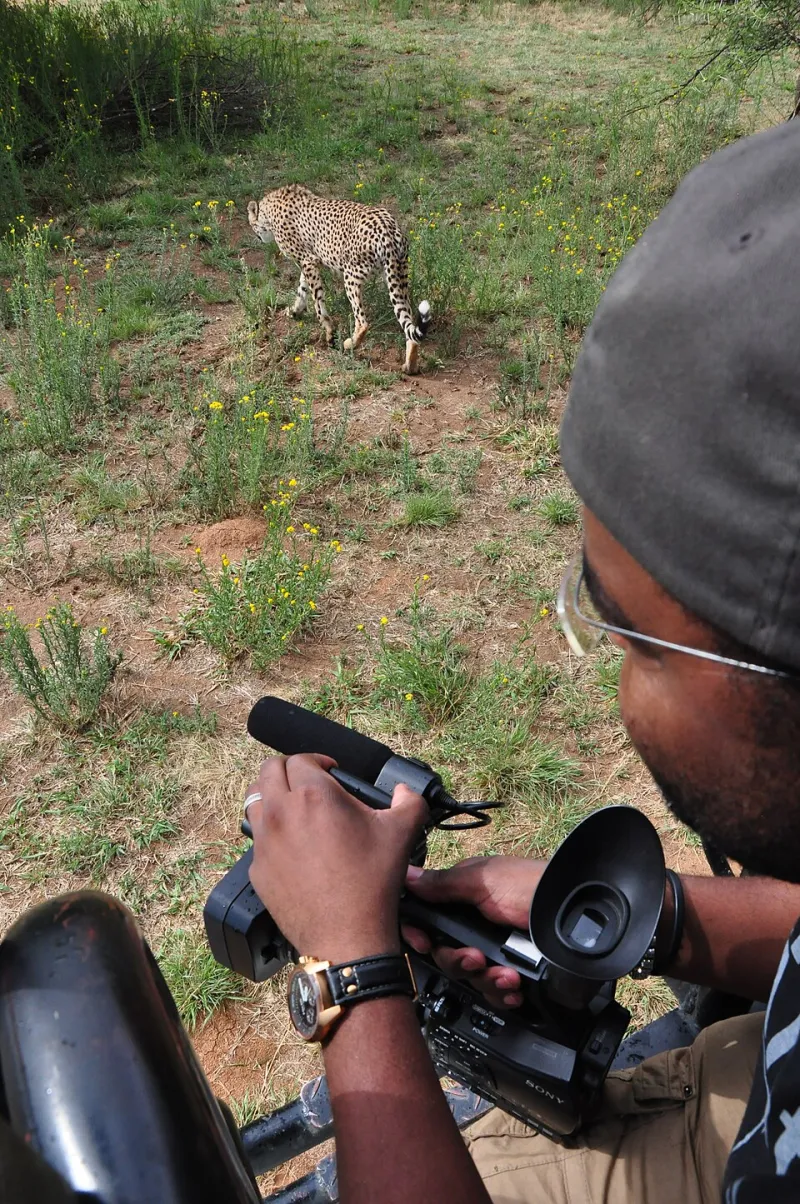
Here's the uncomfortable truth that producers and platform programmers are increasingly willing to say out loud: the big animals have a ceiling. There are only so many ways to film a cheetah hunt before audiences — even deeply enthusiastic ones — start to feel like they've seen it. The emotional beats are familiar. The cinematography, however breathtaking, starts to feel like wallpaper.
"We hit a saturation point with apex predator content," says one streaming content strategist who works with a major US platform and asked not to be named. "Audiences still love it, but the marginal return on a new lion documentary is nowhere near what it was ten years ago. You're competing with a library of incredible footage that already exists. The discovery factor is gone."
That discovery factor — the genuine sense of seeing something you've never seen before — turns out to be enormously powerful. And right now, you're more likely to find it in a documentary about a shorebird than in another savanna epic.
Small Bird, Big Story
What makes a creature like the Arctic tern so unexpectedly compelling? Part of it is sheer biological absurdity. The tern completes the longest migration of any known animal on Earth, traveling from the Arctic to the Antarctic and back — a round trip of roughly 44,000 miles — every single year. That's the equivalent of flying to the moon and back over the course of a lifetime. In a bird that weighs less than four ounces.
But the numbers alone don't explain the emotional hook. Producers who've worked on lesser-known species docs point to something harder to quantify: the feeling of being let in on a secret.
"When you show someone a lion, they already have a mental file for that," explains one documentary filmmaker who recently finished a project on seabirds for a streaming platform. "They know what it looks like, roughly how it behaves, what the stakes are. But when you show them something they've genuinely never thought about — a bird that navigates by the stars, raises one chick every two years, and lives for decades — you get to build that relationship from scratch. That's a gift as a storyteller."
Audiences, it turns out, love being surprised. And in an era when streaming libraries contain thousands of titles and attention is the scarcest resource in entertainment, genuine surprise is worth more than almost anything else.
The Algorithm Didn't Predict This
One of the more fascinating wrinkles in this story is that the rise of niche wildlife content wasn't something recommendation algorithms flagged as a coming trend. It emerged, in several documented cases, almost entirely through organic social sharing.
Clips of unusual animal behavior — a tern dive-bombing a photographer three times its size, a murmuration of starlings moving like liquid smoke over a Kansas wheat field — have proven extraordinarily shareable on short-form video platforms. That shareability translates into streaming curiosity. Viewers see thirty seconds of something genuinely strange and beautiful, and they want more context. They want the full story.
"Social is the new nature documentary trailer," one platform executive noted at an industry panel earlier this year. "If a clip of your subject goes viral on its own, you already have an audience before you've spent a dollar on marketing."
This has created an interesting feedback loop. Filmmakers are increasingly scouting for subjects with inherent visual drama and shareable moments, not just broad name recognition. A bird with a bizarre courtship display. A deep-sea creature with bioluminescent patterns that look computer-generated. A frog species that was declared extinct and then showed up again forty years later. These stories practically market themselves.
Prestige Without the Pedigree
There's also a prestige angle worth examining. Nature documentary filmmaking has always attracted serious craft — the patience, technical skill, and sheer physical endurance required to capture certain wildlife footage is genuinely extraordinary. But for a long time, that craft was almost exclusively channeled toward a narrow range of subjects.
That's changing. Some of the most technically ambitious cinematography coming out of wildlife production right now is being applied to animals most Americans couldn't identify in a lineup. Macro lenses capturing insects in flight. Underwater rigs built specifically for seabird behavior below the surface. High-speed cameras revealing the physics of a tern's dive in ways the naked eye simply cannot process.
When that level of craft meets an unfamiliar subject, the combination can feel genuinely revelatory. It's the difference between watching a nature documentary and feeling like you've genuinely learned something — been somewhere — you couldn't have gone any other way.
What Comes Next
The streaming landscape is notoriously cyclical, and there's every chance that niche wildlife content will eventually hit its own saturation ceiling. Already, a few producers have noted a slight uptick in pitches about unusual species, suggesting the trend is catching on fast enough to risk becoming its own kind of cliché.
But the underlying audience appetite — for stories that feel genuinely undiscovered, for creatures that haven't been exhaustively documented, for the specific pleasure of learning something new about a world that shares the planet with us — that doesn't seem to be going anywhere.
If anything, it's expanding. Insects, fungi, deep-sea invertebrates, migratory fish species — the natural world contains an essentially inexhaustible supply of stories that have never been told on screen. And streaming platforms, which live and die by their ability to offer something you haven't already seen, are starting to figure out that the best untold stories might not involve the animals you'd expect.
The tern didn't ask to start a revolution. It was just out there flying 44,000 miles a year, doing its thing, waiting for someone to point a camera at it.
Turns out, that was enough.