Wild Ambitions: Why Streaming Giants Are Betting Billions on Real Animals Over Fictional Characters
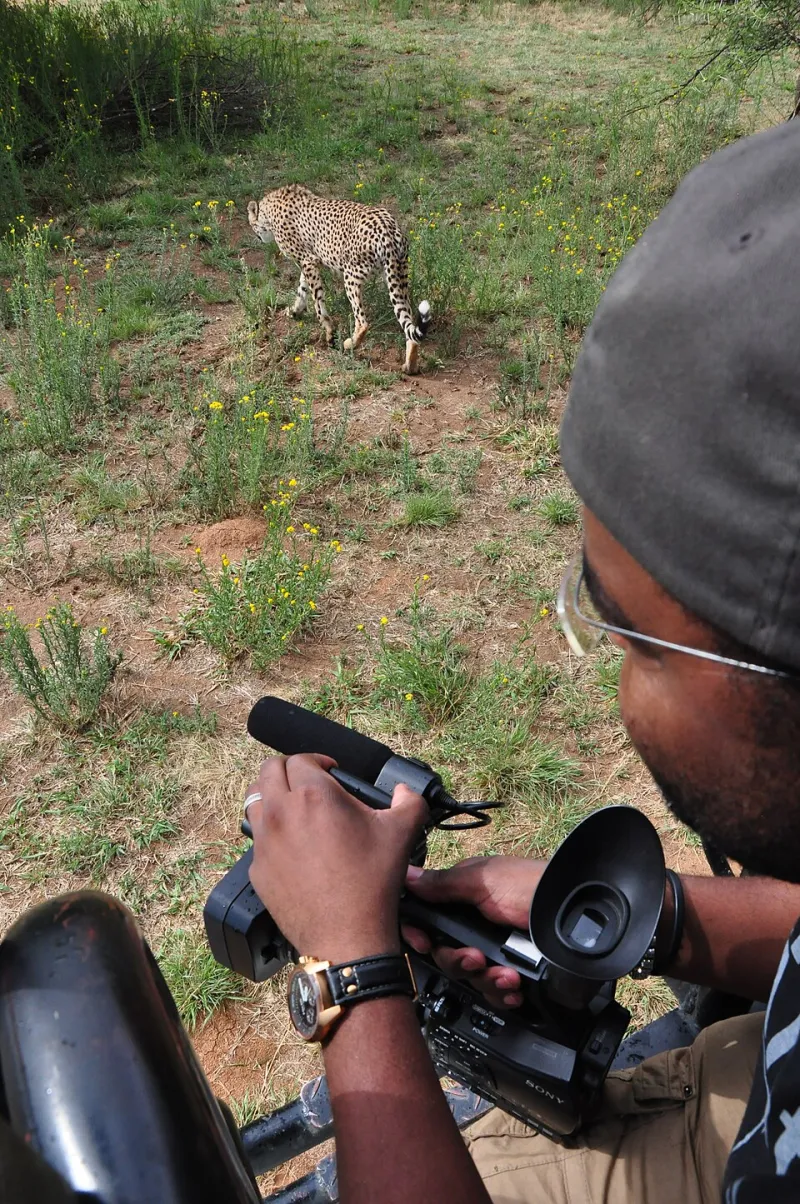
Photo: NubianQueen75, CC BY-SA 4.0, via Wikimedia Commons
There's a quiet revolution happening on your favorite streaming platform, and it doesn't involve a single script, stunt double, or writers' room. It involves a herd of wildebeest crossing the Mara River at dawn, a humpback whale breaching off the coast of Alaska, and a snow leopard stalking prey across a Himalayan ridgeline at 14,000 feet. Nature — raw, unpredictable, and utterly unscripted — has become one of streaming's hottest commodities.
And the platforms know it.
The Numbers Don't Lie
Over the past three years, investment in nature and wildlife programming has surged across every major streaming service. Netflix, Apple TV+, Disney+, and Peacock have collectively poured hundreds of millions of dollars into productions that put cameras in places most humans will never visit. Apple TV+'s Prehistoric Planet reportedly cost somewhere north of $100 million. Netflix's partnership with the BBC's Natural History Unit — the same team behind the iconic Planet Earth franchise — has produced a steady pipeline of content that routinely ranks among the platform's most-watched titles globally.
But it's not just about prestige productions anymore. Platforms are increasingly experimenting with something even more compelling: live wildlife feeds. Think of it as nature's answer to live sports. Viewers tune in not because they know what's going to happen, but precisely because they don't.
The Technology Pushing It Forward
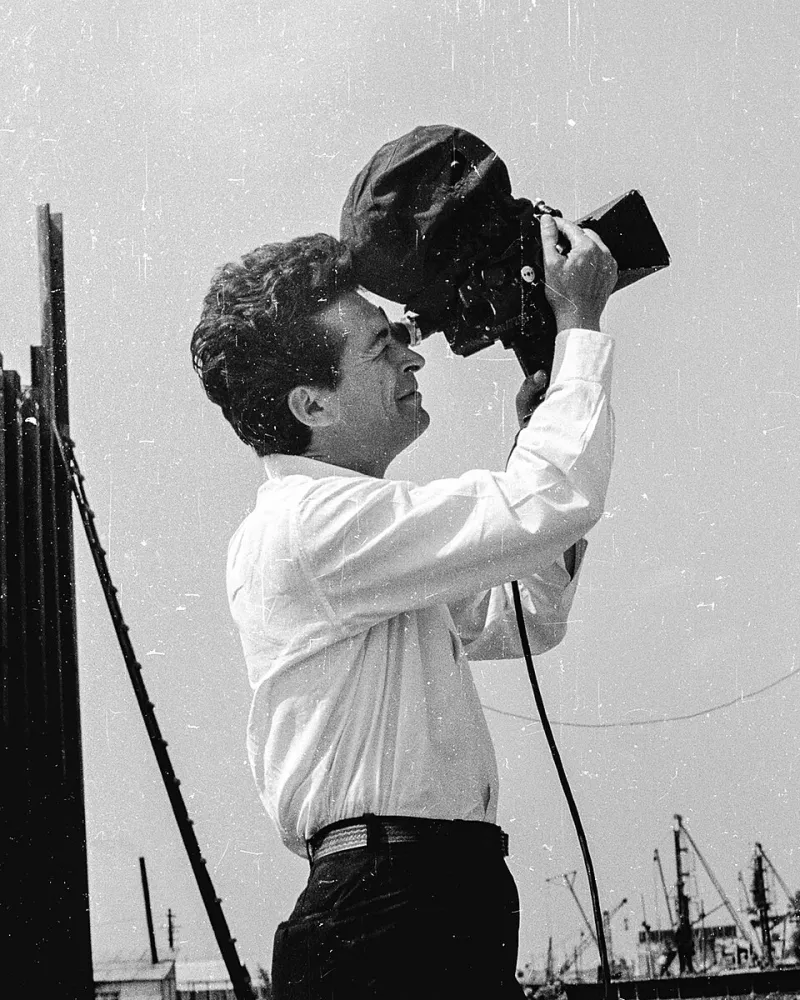
Getting footage of a pride of lions on the Serengeti used to require a small army of crew members, months of permits, and a lot of patience. Today, advances in remote camera technology, drone cinematography, and AI-assisted tracking have dramatically changed what's possible — and how quickly it can get to your screen.
Thermal imaging cameras now allow filmmakers to capture nighttime behavior that was previously impossible to document. Miniaturized 4K cameras can be embedded in artificial rocks, fake termite mounds, and even animal-safe wearable rigs. Drones equipped with whisper-quiet motors can hover close enough to capture individual feathers ruffling in the wind without disturbing the subject.
On the live-streaming side, satellite uplink technology has made it possible to broadcast from some of the most remote corners of the planet with minimal delay. Several platforms have already experimented with 24-hour live camera setups at African watering holes, bald eagle nests in the Pacific Northwest, and polar bear denning sites in Manitoba, Canada. The engagement numbers from these experiments have reportedly stunned executives.
Why Audiences Are Craving the Real Thing
Ask a streaming analyst why wildlife content is booming, and you'll get a few different answers. Some point to pandemic-era viewing habits that rewired audiences toward calming, immersive content. Others cite a broader cultural exhaustion with scripted drama — the twists, the cliffhangers, the increasingly convoluted plot arcs that demand you've watched every prior episode.
Nature content offers something genuinely different: authenticity you can feel. When a cheetah misses a kill after a 70-mph sprint, that's real failure. When a pair of albatrosses reunite after years apart at sea, that's real love. No showrunner manufactured those moments. That emotional honesty resonates with viewers in a way that's increasingly hard for scripted content to replicate.
There's also a generational component at play. Younger American viewers, particularly those in the 18-34 demographic, are far more engaged with environmental issues than their parents were at the same age. Wildlife documentaries don't just entertain this audience — they speak directly to values they already hold. Watching a documentary about coral reef bleaching isn't passive entertainment for a 24-year-old climate-conscious viewer; it's personal.
Conservation Partnerships: Good PR or Genuine Impact?
One of the more interesting developments in this space is the growing number of formal partnerships between streaming platforms and conservation organizations. Netflix has worked alongside the WWF and various national park authorities on productions that directly fund on-the-ground conservation efforts. Disney+ has made similar commitments through its National Geographic content arm, tying certain productions to tangible conservation outcomes.
Critics — and there are some — argue that these arrangements are as much about optics as outcomes. Slapping a conservation partnership logo on a documentary is good marketing. Whether the money and attention actually move the needle on species preservation is a harder question to answer.
But filmmakers working in this space tend to push back on that cynicism. The visibility alone, they argue, creates measurable pressure. When millions of Americans watch a documentary about the declining monarch butterfly population and then see the platform's pledge to fund habitat restoration, a percentage of those viewers become advocates, donors, and voters. That downstream effect is real, even if it's difficult to quantify.
The Live Experience: Streaming's Next Frontier
If there's one area where the nature documentary space is about to get genuinely disruptive, it's live and near-live wildlife experiences. Several platforms are already testing interactive formats where viewers can influence which camera angle they're watching during a live wildlife event — essentially turning a nature stream into a choose-your-own-adventure experience.
Imagine watching the annual wildebeest migration in the Masai Mara not through a curated, narrated documentary, but as a live event — cameras positioned across the river crossing, viewers switching between aerial drone shots and ground-level perspectives in real time. That's not a distant hypothetical. Pilots of exactly this format have already run on smaller platforms, and the major streamers are paying close attention.
For a platform like Sterna.tv, whose whole ethos is built around the idea of streaming the world as it actually is — not as a writer imagined it — this shift feels like a natural evolution. The world is endlessly compelling on its own terms. Sometimes the best thing a platform can do is simply point a camera at it and get out of the way.
What Comes Next
The competition for wildlife content rights is only going to intensify. Exclusive access to certain ecosystems, certain species, or certain conservation stories will become as valuable as exclusive rights to a blockbuster film franchise. Platforms that build genuine, long-term relationships with conservation bodies, indigenous land stewards, and field researchers will have a meaningful edge over those simply writing big checks.
For viewers, the upside is enormous. More investment means better technology, more immersive storytelling, and — ideally — a deeper connection to the natural world that most of us experience primarily through screens. Whether that connection translates into the kind of cultural and political will needed to address the biodiversity crisis is the bigger question.
But at minimum, we'll have some absolutely stunning footage to watch while we figure it out.