The 2 A.M. Tern Cam Effect: Why Americans Are Falling Asleep to Live Wildlife Streams

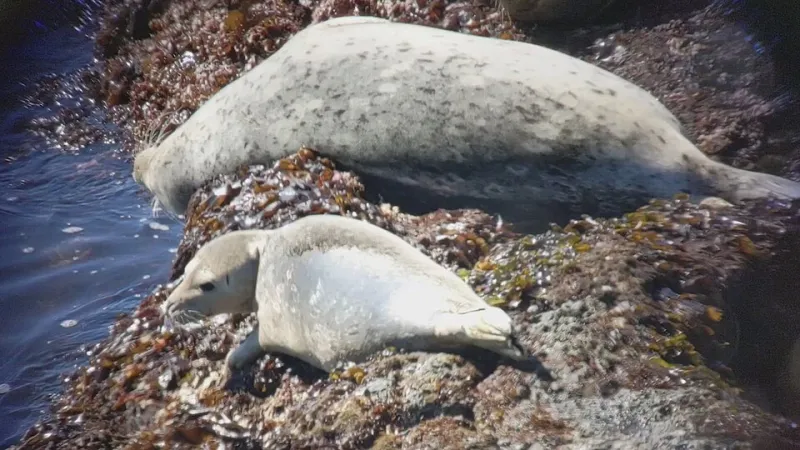
Photo: david glass, CC BY-SA 2.0, via Wikimedia Commons
It's 2 a.m. in Ohio. A woman named Dana has her tablet propped on the nightstand, screen dimmed, volume low. On it: a live camera pointed at a tern colony on a coastal island, hundreds of miles away. The birds are quiet. The waves are steady. She'll be asleep in eleven minutes.
Dana is not unusual anymore. She's part of one of the strangest and most quietly wholesome trends in American streaming: people falling asleep to live wildlife feeds.
The Sleep-Maxxing Moment
Sleep has become a competitive sport. The wellness crowd calls it "sleep maxxing" — optimizing every variable from magnesium glycinate to blackout curtains to the precise temperature of your bedroom. And somewhere in that stack of optimizations, a curious substitution happened: instead of white noise apps and rain soundtracks, people started streaming actual nature.
Not recordings. Live feeds. The distinction matters more than you'd think.
A recording loops. It's polished, edited, predictable. A live nest cam is none of those things, and that's exactly the point. There's a low hum of realness to it — the knowledge that somewhere, right now, it's actually happening. A tern shifts on an egg. A wave rolls in. Nothing dramatic, nothing optimized for your engagement. The feed doesn't care whether you watch. That indifference is oddly soothing.
Comfort TV Without the Plot
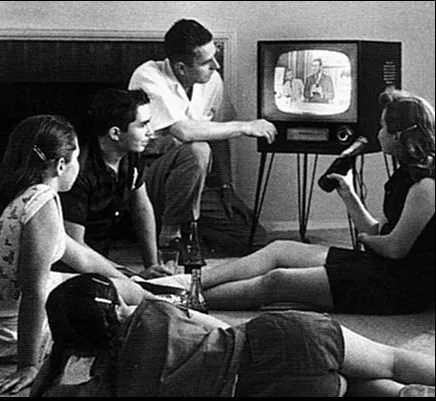
The appeal tracks with a broader exhaustion. The average American bedtime routine, for those of us honest about it, involves doom-scrolling until the phone falls on our face. Streaming platforms have engineered their interfaces to be as stimulating at midnight as at noon — autoplay countdowns, cliffhanger hooks, a carousel of options demanding decisions your tired brain doesn't want to make.
A wildlife stream asks nothing of you. There's no episode to choose. No plot to follow. If you miss something, there's nothing to miss. It's television reduced to its most elemental state: a window, left open.
The numbers back this up. Popular nest cams — eagle cams in the Midwest, osprey feeds on the Atlantic coast, seabird colonies streamed by Audubon chapters and state wildlife agencies — report huge overnight audiences. Chat rooms on these streams fill with a distinct genre of message: "can't sleep either, huh?" "goodnight everyone." It's a strange, tender form of community built entirely around the shared act of drifting off.
Who's Cashing In
Where attention goes, business follows. A small ecosystem of apps and channels has sprung up around ambient nature streaming — some offering curated "sleep channels" of live feeds, others bundling webcam footage with ASMR-style sound design. Even legacy nature organizations have noticed, quietly repositioning their cams as wellness content rather than strictly educational programming.
There's something a little funny about monetizing a bird doing nothing, and something a little poignant too. The production budget for a tern cam is a camera, a solar panel, and a decent internet connection. The content writes itself by simply existing.
What the Tern Knows That We Forgot
Here's the part worth sitting with. The reason a tern colony works as a sleep aid is that it operates on a rhythm completely indifferent to human schedules. The tide doesn't hurry. The birds don't perform. There's no narrative arc, no three-act structure, no next-episode countdown.
Our bedtime routines, by contrast, are a contest of stimulation — one more episode, one more scroll, one more notification. Streaming a slice of the natural world inverts that. It doesn't demand attention; it tolerates it.
So if you find yourself at 2 a.m. watching a seabird tuck its head under its wing, take it as less of a guilty habit and more of a correction. The terns have been doing this every night for millions of years. Maybe they're on to something.