Mutual of Omaha to Autoplay: The Strange Evolution of How America Watches Animals
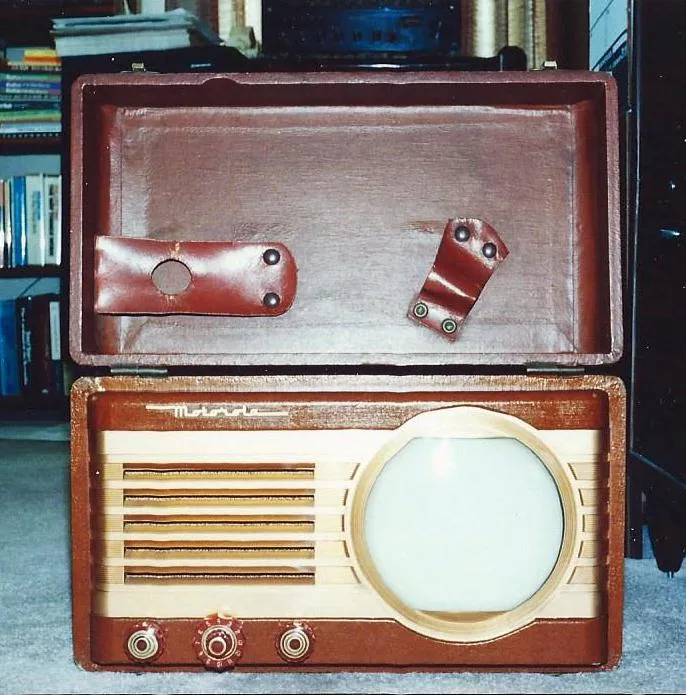
Photo: Joe Haupt from USA, CC BY-SA 2.0, via Wikimedia Commons
Every generation believes it invented watching animals on television. Your grandfather had Marlin Perkins. Your parents had the PBS pledge drive and a VHS shelf groaning with nature specials. You have a streaming queue curated by a machine that has decided, based on your viewing history, that you would enjoy a documentary about octopuses.
All three of you are watching the same planet. You're not watching it the same way. And the technology of each era — more than the science, more than the conservation message — decided which animals got to be stars.
The Adventure Era: Wildlife as a Stunt
American nature TV was born as entertainment, full stop. Mutual of Omaha's Wild Kingdom, which premiered in 1963, put Marlin Perkins in a safari jacket and let him narrate close encounters with dangerous animals, often while a younger associate did the actual wrestling. It was thrilling, occasionally reckless, and wildly popular.
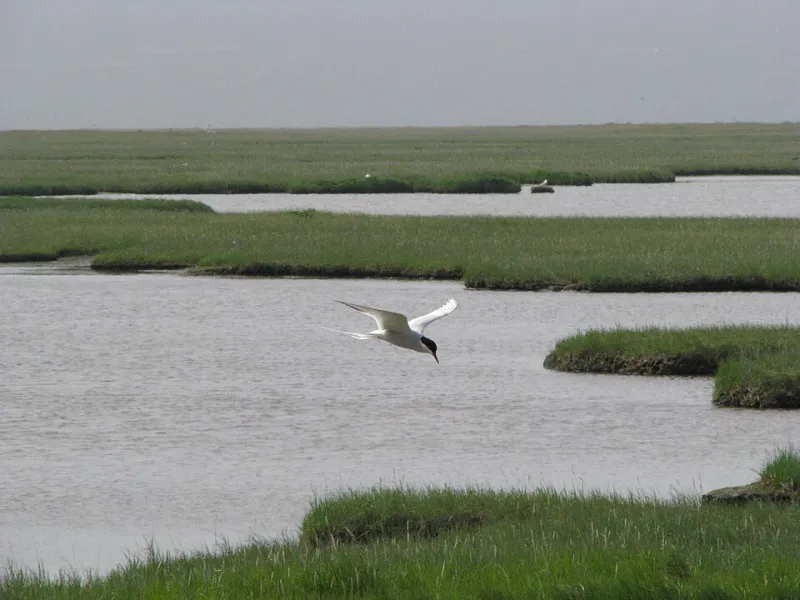
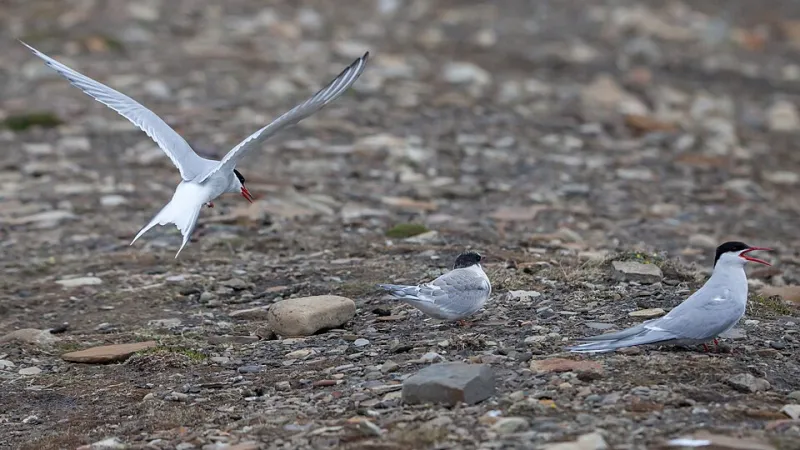
The animals that thrived in this era were the ones that could generate a moment: lions, cobras, elephants, anything with teeth or bulk. A tern did not get a segment. A tern could not be wrestled.
The Pledge Drive Era: Wildlife as a Public Good
Then came PBS, and with it a different contract with the audience. Nature programming became something you supported — literally, during pledge weeks, when hosts would pause a documentary about Alaskan wolves to ask for your donation. The tone shifted from adventure to reverence. Cinematography became the star: long lenses, patient observation, narration delivered in the hushed tones of a museum.
This era expanded the roster of watchable animals. Ecosystems got screen time. Behavior, not just danger, became the story. But the pacing was still dictated by broadcast television — a fifty-minute arc, a resolution, credits by the hour.
The Streaming Era: Wildlife as Content
Streaming changed the equation in two directions at once. First, budgets exploded. Natural history series now rival blockbusters in production value, and the imagery is genuinely unprecedented — drone footage, macro photography, night-vision sequences that would have been impossible a decade ago.
Second, and less discussed: the algorithm became the commissioning editor. Platforms know exactly what retains viewers, and what retains viewers is drama. Predation, conflict, personality. The animals that thrive in this era are the ones that can be framed as characters — the clever octopus, the scheming meerkat, the doomed wildebeest. Wonder is harder to measure than tension, so tension wins the greenlight.
What We Chose to See
Look across the three eras and a pattern emerges: every technology told us which animals mattered. Network TV wanted spectacle. Public broadcasting wanted ecosystems. Streaming wants protagonists.
The tern — small, common, unbothered by cameras — has drifted through all three eras mostly unwatched. That it's finally finding an audience, largely through live cams and slow TV formats, says something hopeful. Maybe the newest technology, the always-on stream, is the first one patient enough to show us an animal that isn't doing anything dramatic at all.
That would be a strange full circle: after seventy years of making wildlife perform for us, the biggest innovation is simply letting it be boring. And letting boring be beautiful.