Salmon, Puffins, and the Fine Art of the Wildlife Watch Party
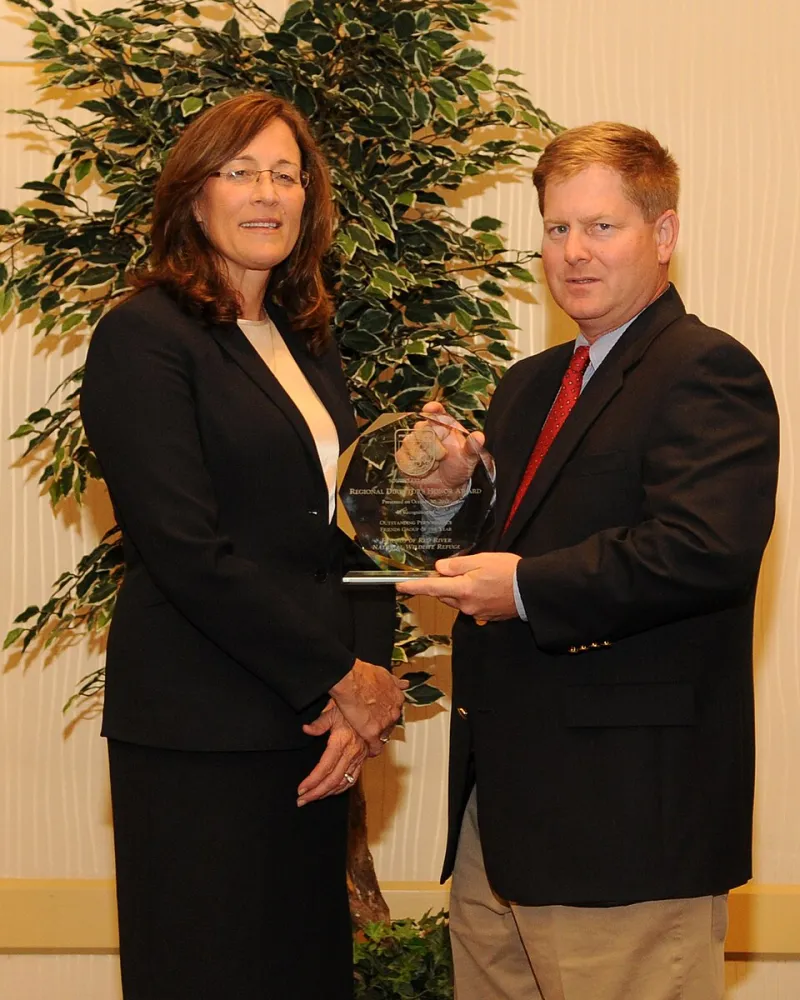
Photo: U.S. Fish and Wildlife Service Southeast Region, Public domain, via Wikimedia Commons
Let me make a case for an unusual social activity: getting a group of friends together to watch a fish.
Not a documentary about a fish. Not a highlight reel. A live feed of a salmon run, happening in real time, with commentary provided by you and whoever showed up. If that sounds absurd, consider that millions of Americans already gather on group chats to watch eagle cams together, reacting to every fish delivery and intruder bird like it's a playoff game. The watch party is back. It just doesn't involve football anymore.
Five Streams Worth Your Evening
The Salmon Run (Pacific Northwest). Every fall, rivers in Washington and Oregon turn into a spectacle as salmon fight upstream. Several fish hatcheries and wildlife organizations stream their fish ladders live. It's raw, repetitive, and weirdly gripping — a natural drama with stakes you don't need a narrator to explain.
Puffin Burrow Cams (Maine). Audubon's Seal Island cameras put you inches from puffins raising their chicks. The drama is small-scale and constant: fish deliveries, squabbles, the occasional gull incursion that gets chat flying faster than any sports broadcast.
The Osprey Nest (Chesapeake Bay). Osprey cams have quietly built some of the most devoted audiences in streaming. A nesting pair raising three chicks over a summer is a serialized drama with a season arc, and yes, you will get attached.
Bison Cams (Yellowstone region). Less intimate, more majestic. Put it on a big screen, mute it, and let the room fill with conversation. This is slow TV at its most American.
A Tern Colony (Atlantic coast). You knew we'd get here. Tern cams are the sleeper hit of the genre — thousands of birds, constant motion, zero plot. It's the closest thing television has to a living painting.
How to Host One That Doesn't Flop
First: screen size matters. This is big-screen content. A laptop kills it; a TV or projector makes it an event.
Second: don't over-program. The beauty of a wildlife stream is that it fills silence without dominating it. Talk over it. Wander back to it. The stream is the campfire, not the conversation.
Third: give people a stake. Learn a few facts beforehand — what species, what's at risk, what to look for. When someone in the room spots a chick hatching or a salmon clearing the ladder, the payoff is genuine.
Fourth: let it run long. These aren't ninety-minute events. The best watch parties drift into hours, the stream humming in the background while the evening does its own thing.
Why This Matters
We've spent a decade watching everything alone, on our own schedules, in our own bubbles. The watch party — even one built around a puffin — is a small act of resistance against that. It's shared attention, in real time, pointed at something real.
The salmon don't care if you're watching. That's precisely why it's worth gathering to watch.