Slow Down and Look: The Case for Bringing Contemplative Nature TV Back from the Dead
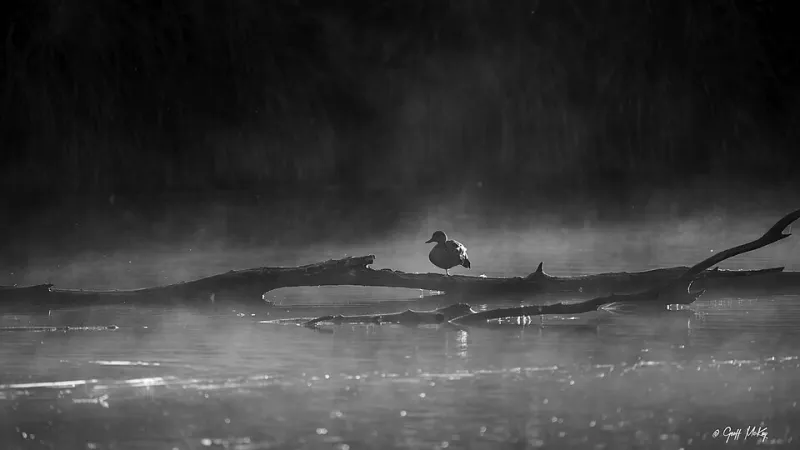
Photo: Geoff McKay from Palmerston North, New Zealand, CC BY 2.0, via Wikimedia Commons
There's a particular kind of stillness that used to live inside the best nature documentaries. Not silence exactly, but a kind of held breath — a camera lingering on a heron standing motionless at the edge of a marsh for what felt like an eternity, or a slow pan across an empty tundra before anything happened at all. That stillness wasn't dead air. It was the whole point.
These days, that feeling is getting harder to find. And if you've been watching nature content on major streaming platforms lately, you probably know why.
The Algorithm Wants Drama, Not Stillness
Here's the uncomfortable truth: streaming platforms are businesses, and their currency is engagement. Watch time, click-through rates, completion percentages — these numbers drive decisions about what gets funded, what gets promoted, and what gets buried three pages deep in a category tab nobody scrolls to. And when the data says that viewers are more likely to stay through a cheetah chase than a slow-building sequence of a tortoise navigating a hillside, the incentive is obvious.
The result is nature programming that's been quietly recalibrated for maximum stimulation. Faster cuts. More dramatic music cues. Cliffhangers before every commercial break — or, in the streaming world, before every chapter marker. The footage itself is often breathtaking, but it's assembled in a way that leaves almost no room for the viewer to simply be with the subject on screen.
There's nothing inherently wrong with exciting wildlife moments. A great predator sequence can be genuinely electrifying. But when every single segment is engineered to spike your pulse, the medium loses something it can't easily get back: the sense that you're actually watching an animal live its life, rather than watching a highlight reel of the moments a producer decided were worth your attention.
What Slow Cinema Used to Give Us
The older tradition of nature filmmaking — think early BBC natural history productions or the quieter American public television documentaries of the '70s and '80s — had a different relationship with time. These films understood that attention was something you built gradually, not something you grabbed in the first ten seconds or lost forever.
Watching a bird spend twenty minutes constructing a nest, or a wolf pack settle into an afternoon rest, did something to a viewer that a rapid-fire montage simply cannot replicate. It created a sense of genuine intimacy. You weren't being shown an animal; you were, in a small way, spending time with one. That distinction matters more than it might sound.
Psychologists have a term for the mental state that kind of viewing can induce: soft fascination. It's the effortless, low-demand attention you give to something naturally interesting — a crackling fire, a stream moving over rocks, a bird going about its business outside a window. Unlike the hard focus required to follow a complex plot or absorb new information, soft fascination is restorative. It quiets the noise in your head. Some researchers connect it to the broader benefits of time spent in nature itself.
Stripped of its slow moments, a nature documentary stops being a window and becomes just another screen.
The Streaming Platform Paradox
Here's what makes this frustrating: streaming, as a technology, should be perfect for contemplative content. You're not constrained by broadcast schedules. You don't need to hold a mass audience through a fixed time slot. A viewer who wants to spend forty-five minutes watching a single tide pool ecosystem can do exactly that, at whatever pace feels right, without anyone cutting away to a car commercial.
The infrastructure exists for genuinely patient storytelling. The business model, unfortunately, keeps pulling in the opposite direction. Platforms track how quickly users abandon a title, and a documentary that takes eight minutes to build to its first dramatic moment will statistically underperform one that opens with a predator attack. So the slow-burn approach gets deprioritized — not because audiences actively hate it, but because the metrics don't reward it.
This is the intimacy problem in a nutshell. The platforms have the tools to deliver something meaningful, but they're optimizing for a version of success that works against the experience they could be creating.
Some Filmmakers Are Pushing Back
It would be unfair to say the contemplative approach has vanished entirely. There are filmmakers and smaller production outfits actively resisting the pressure to punch up their pacing. Some of the most interesting nature content appearing on streaming platforms right now comes from international co-productions — particularly from Scandinavia and Japan — where the cultural appetite for slow, observational filmmaking remains strong.
Certain documentary series have also found quiet but devoted audiences by leaning into a more meditative rhythm. These aren't the titles that dominate the trending rows or show up in platform marketing campaigns. They spread through word of mouth, through recommendations in niche communities, through the kind of organic enthusiasm that doesn't always register in algorithmic systems designed to amplify what's already popular.
The audience for this kind of content exists. It may be smaller than the audience for high-octane wildlife action, but it's real, it's engaged, and it tends to be deeply loyal.
What Platforms Could Actually Do
This isn't a call for streaming services to abandon exciting content — that would be both unrealistic and unnecessary. But there's a genuine case to be made for creating dedicated space where slower, more observational programming can find its audience without being measured by the same engagement benchmarks as a true crime series or a prestige drama.
Some platforms have experimented with ambient content channels — long, unnarrated nature footage designed to play in the background or serve as a kind of moving wallpaper. That's a step in an interesting direction, though it arguably goes too far the other way, stripping out the craft and intentionality that make great documentary filmmaking worth watching closely.
The sweet spot is somewhere in between: content that breathes, that trusts the viewer to stay, that earns emotional investment through patience rather than manufactured urgency. Content that remembers why people fell in love with nature documentaries in the first place — not because they wanted to be thrilled, but because they wanted to feel genuinely connected to something beyond their own front door.
The Quiet Thing Worth Saving
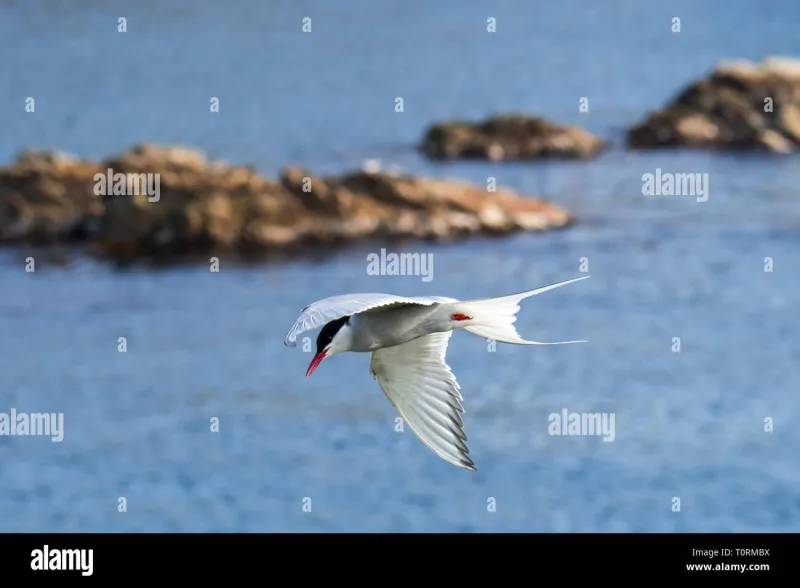
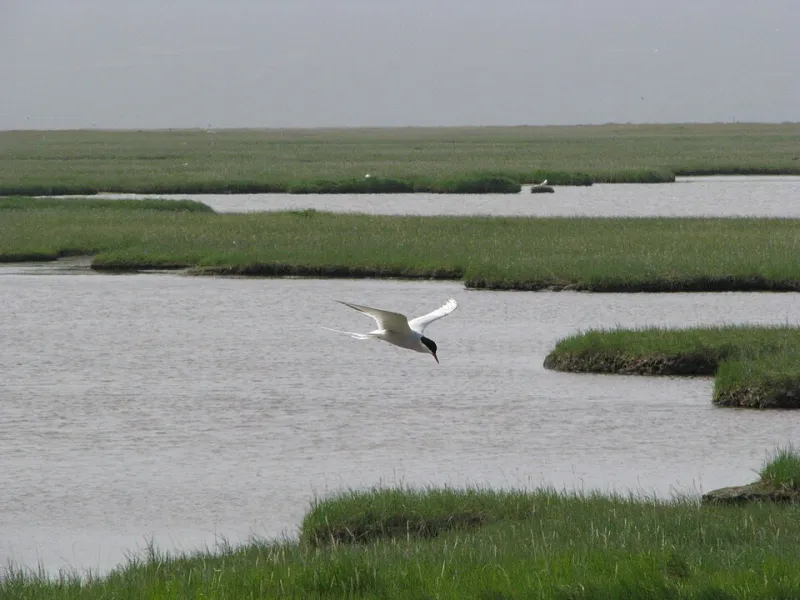
At Sterna.tv, we think a lot about what it means to really see something. The name is a nod to the tern — a bird that travels extraordinary distances, that reads wind and water with extraordinary precision, that knows how to find what it's looking for across vast open space. There's a lesson in that for how we consume content, too.
The best nature filmmaking has always been about teaching viewers to look more carefully, to sit with discomfort and uncertainty, to let an image settle before reaching for the next one. That's not a passive experience — it's an active, quietly demanding one. And it's worth fighting to preserve, even in a media landscape that keeps telling us faster is always better.
Sometimes the most important thing on screen is the moment before anything happens.